
- The NCAA went 2-1 in high-profile eligibility cases, following win versus Joey Aguilar. That’s a series victory for the guardrails crowd.
- Trinidad Chambliss scored lone victory, while NCAA prevailed against Aguilar, Charles Bediako.
- Coaches and administrators say they want rules and guardrails. Apparently, the folks at NCAA HQ took them seriously.
They asked for this, don’t forget. Downright begged for it, even.
University leaders, conference commissioners, coaches, all of them. They wanted — no, they craved — guardrails.
Got to have those guardrails. Can’t behave themselves without guardrails.
Apparently, the folks at NCAA HQ were listening. They’ve heeded the call to action with a feverish push to enforce the association’s membership-approved eligibility rules that impede eighth-year senior quarterbacks and prohibit ex-college basketball players from returning to college hoops after three years in the NBA G League.
A strange thing is happening, too. Rules are enjoying a renaissance. The NCAA is winning in court. Now, that’s what I call an upset!
In recent weeks, the NCAA prevailed in two of three court decisions in high-profile eligibility cases.
Mississippi quarterback Trinidad Chambliss scored the lone win against the NCAA, when a judge determined the NCAA improperly denied Chambliss a medical redshirt for one of his years at Division II Ferris State. This court ruling will allow Chambliss a sixth season.
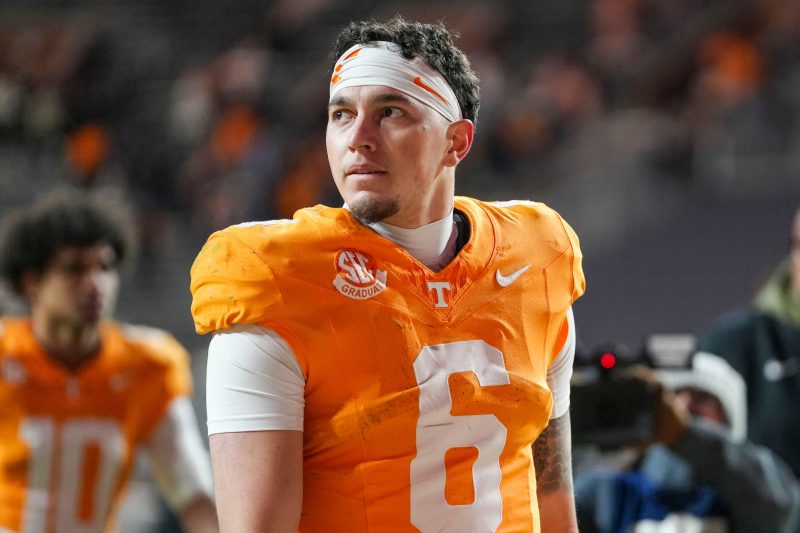
The NCAA, though, prevailed in eligibility cases brought by Tennessee’s forever-a-student Joey Aguilar and pro basketball player (turned Alabama basketball player) Charles Bediako.
For those scoring at home, the 2-1 score counts as a hard-fought best-of-three series victory for the NCAA. Reports of the NCAA’s imminent demise were premature.
If the universities and coaches affected by the decisions don’t like it, well, just remember, y’all asked for this. You wanted rules. Here they are, your precious guardrails!
No crying when the rules work against you.
NCAA scores upset road win in case brought by Tennessee’s Joey Aguilar
The NCAA won these rulings as a road underdog, too.
A Knoxville, Tennessee, judge who calls UT his alma mater ruled in favor of the NCAA and against Aguilar last week. The judge denied Aguilar’s quest for a fourth season of FBS eligibility after he previously spent four years in junior college.
NCAA rules — remember those old things? — say an athlete has five years to play four seasons, no matter whether he spends some of his time in JUCO.
Being a college quarterback in perpetuity is good work if you can get it, so I don’t blame Aguilar for shooting his shot in court. Another season would’ve generated millions for him in NIL payout.
Just one problem: NCAA rules inhibit Aguilar’s desires to never leave college sports, and the guardrails held up, in this case.
Hometown judge Chris Heagerty might have cost his alma mater a win or two this season when he ruled against Aguilar, a big win for guardrails and a triumph for Johnny Law against Joey Quarterback within the Wild, Wild West of college sports.
The NCAA celebrated the judge’s ruling as if it scored an upset against a ranked opponent.
‘We will continue to defend the NCAA’s eligibility rules,’ the NCAA announced in a triumphant statement.
To support his ruling, the judge used language people with a juris doctorate would understand. Here’s the upshot, in layman’s terms: Aguilar already played five college seasons. He spent two additional years on JUCO rosters as redshirt and COVID years. NCAA eligibility rules being what they are, it’s finally time for him to go pro in something other than college sports.
This wasn’t just a victory for the NCAA and the gotta-have-some-rules crowd. It’s also a win for George MacIntyre, a redshirt freshman who now moves to the head of the line in Tennessee’s quarterback competition.
Charles Bediako renews dream to be an ex-pro basketball player
While Aguilar turns his attention to the NFL combine, Bediako refuses to take the “L.” He’s appealing to the Alabama Supreme Court in his quest to play college basketball, three years after he decided he wanted to be a pro basketball player instead of staying in college.
As Bediako toiled in the G League, he saw the light that the bliss of college combined with NIL riches yields the good life.
Nate Oats has thrown his steadfast support behind Bediako, because guardrails are great in theory, but here in reality a win-at-all-costs coach needs a big man with pro experience to fuel his team’s March Madness run.
“The system’s clearly broken,” Oats said in support of Bediako’s college comeback, “and I’m all for figuring out a way to fix it.”
That loosely translates to: The system is imperfect, and I’ll do whatever I can to take advantage and worm my way through the system’s cracks.
And, hey, that’s the job.
Too bad for Alabama, the NCAA took its membership seriously when coaches and administrators hollered en masse they wanted guardrails and rules enforcement.
Don’t mistake these courtroom wins as the NCAA becoming a judicial system juggernaut or a sweeping roadblock to future lawsuits. Sure as lawyers make their living off billable hours, the NCAA’s rules and its attempts to enforce them will be challenged in court.
For a moment, though, the beleaguered NCAA can celebrate a couple of wins. A few guardrails still stand within the O.K. Corral of college sports. That’s what everyone said they wanted, right?
Blake Toppmeyer is the USA TODAY Network’s senior national college football columnist. Email him at BToppmeyer@gannett.com and follow him on X @btoppmeyer.
